
Can Shea Butter Stop Itchy Skin? Everything You Need to Know
Share
If you've been struggling with dry, uncomfortable or irritated skin, you may have wondered, can shea butter stop itchy skin? It's one of the most common questions people ask when looking for natural skincare, and for good reason. Shea butter has been used for centuries to nourish and protect the skin, earning a reputation as one of nature's most versatile moisturisers.
While shea butter is not a medicine and cannot treat or cure the underlying cause of itchy skin, it can play an important role in supporting the skin barrier, locking in moisture and helping skin feel softer and more comfortable. For many people, dryness is one of the biggest contributors to itching, making rich moisturisers such as shea butter a valuable addition to a daily skincare routine.
In this guide, we'll answer the question can shea butter stop itchy skin, explain why skin becomes itchy in the first place, and explore how high-quality shea butter can help support healthier-looking, more comfortable skin.
What Causes Itchy Skin?
Before asking can shea butter stop itchy skin, it's helpful to understand why itching occurs.
Itchy skin, also known as pruritus, can have many different causes, including:
- Dry skin
- Cold weather
- Sensitive skin
- Allergic reactions
- Irritating skincare products
- Environmental factors
- Certain skin conditions such as eczema or psoriasis
Sometimes the itch is temporary, while in other cases it can become persistent and frustrating.
Understanding the underlying cause is important, particularly if itching is severe, widespread or accompanied by other symptoms.
Can Shea Butter Stop Itchy Skin?
The simple answer is that shea butter may help relieve itching caused by dry skin by deeply moisturising and supporting the skin barrier, but it cannot cure every cause of itchy skin.
If itching is primarily due to dehydration or a weakened skin barrier, keeping the skin well moisturised may reduce feelings of tightness and irritation that contribute to scratching.
However, if your itchy skin is caused by an infection, allergy or an underlying medical condition, it's important to seek advice from a healthcare professional.
Why Dry Skin Often Becomes Itchy
Dry skin and itchy skin often go hand in hand.
When the skin loses too much moisture:
- The protective barrier becomes weaker.
- Water escapes more easily.
- The skin becomes rough and tight.
- Irritants penetrate more easily.
This can create the familiar itch-scratch cycle, where scratching further damages the skin barrier, leading to even more dryness and discomfort.
Supporting hydration is therefore one of the most effective ways to improve overall skin comfort.
What Is Shea Butter?
Shea butter is a natural fat extracted from the nuts of the African shea tree (Vitellaria paradoxa).
For generations, it has been used throughout West Africa as a skin moisturiser thanks to its naturally rich texture and nourishing properties.
Unlike lightweight lotions, shea butter forms a protective layer over the skin, helping reduce moisture loss while leaving skin feeling soft and smooth.
Why Shea Butter Is So Popular
Shea butter has remained popular for centuries because it offers several skincare benefits.
People choose shea butter because it:
- Deeply moisturises dry skin
- Supports the skin barrier
- Softens rough areas
- Leaves skin feeling comfortable
- Can be used on many different parts of the body
Its versatility makes it suitable for everyday skincare routines.
The Importance of the Skin Barrier
When discussing can shea butter stop itchy skin, it's impossible to ignore the role of the skin barrier.
Your skin barrier acts as your body's natural defence system.
Its job is to:
- Keep moisture inside the skin
- Protect against irritants
- Support healthy skin function
- Help maintain skin comfort
When this barrier becomes compromised, the skin often feels:
- Dry
- Tight
- Rough
- Sensitive
- Itchy
Helping to maintain this barrier is one of the reasons shea butter has become such a trusted skincare ingredient.
How Shea Butter Supports the Skin
Shea butter contains naturally occurring fatty acids that help nourish and soften the skin.
Its rich consistency helps:
- Reduce moisture loss
- Leave skin feeling more supple
- Improve skin softness
- Create a protective layer on the skin's surface
This supportive approach makes it particularly popular during colder months when skin is more prone to dryness.
Can Shea Butter Help Eczema-Prone Skin?
Many people with eczema-prone skin include shea butter as part of their skincare routine because of its moisturising properties.
However, it's important to understand that:
- Shea butter does not cure eczema.
- It should not replace medical treatment where required.
- It may help support dry skin by improving hydration and reducing moisture loss.
Keeping eczema-prone skin well moisturised is widely recognised as an important part of long-term skin management.
Can Shea Butter Help During Winter?
Winter is one of the most common times for itchy skin to develop.
Cold outdoor temperatures combined with central heating can strip moisture from the skin.
This often leads to:
- Dry legs
- Itchy arms
- Rough hands
- Tight-feeling skin
Because shea butter is naturally rich, many people choose it as part of their winter skincare routine.
Can Shea Butter Be Used Every Day?
Yes.
Many people apply shea butter daily to help maintain soft, hydrated skin.
Daily use can be particularly beneficial for:
- Dry hands
- Elbows
- Knees
- Feet
- Areas prone to roughness
Consistency is often more important than applying large amounts occasionally.
How to Apply Shea Butter
Using shea butter correctly helps maximise its moisturising benefits.
For best results:
- Cleanse your skin gently.
- Pat the skin until slightly damp.
- Warm a small amount of shea butter between your hands.
- Massage into the skin using gentle circular movements.
Applying shea butter after bathing helps lock in moisture while the skin is still hydrated.
Can Shea Butter Be Used on the Face?
Many people with dry skin choose to use shea butter on their face.
However, because it is naturally rich, those with oily or blemish-prone skin may prefer lighter moisturisers or apply shea butter only to particularly dry areas.
As with any new skincare product, patch testing is recommended.
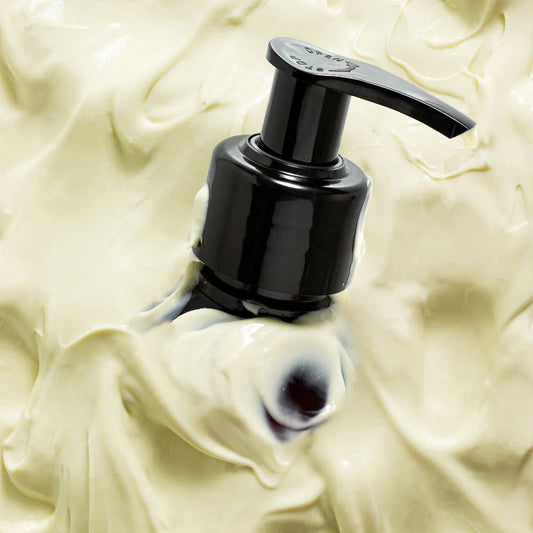
A Premium Choice: LIHA Beauty Shea Butter (Gold)
If you're looking for a luxurious shea butter product, LIHA Beauty Shea Butter (Gold) is an excellent option.
Inspired by traditional West African beauty rituals, this rich body butter combines 100% natural shea butter with the elegant scent of tuberose to create a deeply nourishing skincare experience.
Why choose LIHA Beauty Shea Butter (Gold)?
- Rich in natural shea butter
- Intensely moisturising
- Ideal for dry and rough skin
- Helps support the skin barrier
- Suitable for everyday body care
- Leaves skin feeling soft, smooth and comfortable
Because only a small amount is needed, it melts beautifully into the skin and provides long-lasting nourishment without the need for frequent reapplication.
For anyone asking can shea butter stop itchy skin, a high-quality shea butter such as LIHA Beauty Shea Butter (Gold) can be an excellent addition to a routine focused on maintaining healthy, hydrated skin.
Lifestyle Habits That Can Help Reduce Itchy Skin
Skincare is only one part of keeping skin comfortable.
Simple everyday habits also make a difference.
These include:
- Drinking enough water
- Avoiding very hot showers
- Using gentle cleansers
- Wearing breathable fabrics
- Applying moisturiser regularly
- Keeping indoor heating at comfortable levels
Looking after your skin consistently is often more effective than relying on one product alone.
Common Mistakes That Can Make Itching Worse
Many people unknowingly make itchy skin worse by:
- Scratching repeatedly
- Taking long, hot showers
- Using heavily fragranced products
- Skipping moisturiser
- Washing too frequently
Replacing these habits with a gentle skincare routine can help improve overall skin comfort.
When Should You See a Healthcare Professional?
Although dry skin is a common cause of itching, it's important to seek medical advice if:
- Itching is severe.
- The skin becomes infected.
- Symptoms spread rapidly.
- Home skincare isn't helping.
- Itching interferes with sleep or daily life.
A healthcare professional can identify the underlying cause and recommend appropriate treatment if necessary.
Frequently Asked Questions
Can shea butter stop itchy skin overnight?
Shea butter may provide immediate comfort by moisturising dry skin, but lasting improvements usually depend on regular, consistent use and addressing the underlying cause of the itching.
Can I use shea butter every day?
Yes. Daily use is one of the best ways to maintain hydration and support the skin barrier.
Can shea butter be used on children?
Always check the manufacturer's guidance and seek advice from a healthcare professional if you're unsure, particularly for babies or young children.
Does shea butter work for everyone?
Everyone's skin is different. While many people enjoy the nourishing properties of shea butter, results vary depending on skin type and the cause of the itching.
Choosing the Right Shea Butter
If you're looking for shea butter to support dry or itchy skin, look for products that:
- Use high-quality natural shea butter
- Avoid unnecessary fillers
- Come from reputable brands
- Fit comfortably into your daily routine
Consistency is one of the biggest factors in achieving long-term skin comfort.
Final Thoughts: Can Shea Butter Stop Itchy Skin?
So, can shea butter stop itchy skin?
If your skin feels itchy because it is dry or lacking moisture, shea butter can be an excellent addition to your skincare routine. Its naturally rich texture helps support the skin barrier, reduce moisture loss and leave skin feeling softer, smoother and more comfortable.
It's important to remember that itchy skin has many possible causes, and while shea butter can help improve dryness-related discomfort, it is not a cure for underlying medical conditions or persistent skin problems. If symptoms continue or worsen, seeking professional medical advice is always recommended.
For those looking for a luxurious, high-quality option, LIHA Beauty Shea Butter (Gold) offers a beautiful blend of traditional West African skincare heritage and modern everyday body care. Rich, nourishing and suitable for daily use, it provides an easy way to support your skin's natural barrier while helping dry skin feel hydrated and cared for throughout the year.
Ultimately, healthy skin is built through consistent care, gentle products and realistic expectations. Combined with good skincare habits and regular moisturising, shea butter remains one of nature's most trusted ingredients for keeping dry skin feeling comfortable and well nourished.