
100 Natural Shea Butter: Benefits, Uses and How to Choose the Best Shea Butter for Your Skin
Share
If you've been searching for skincare ingredients that have stood the test of time, you've almost certainly come across 100 natural shea butter. Loved for generations and used in skincare routines around the world, shea butter has become one of the most sought-after natural moisturisers for dry, sensitive and dehydrated skin.
But what exactly is 100 natural shea butter? Is it better than products containing only small amounts of shea butter? How can you tell if you're buying a genuinely high-quality product? And who is it best suited for?
In this guide, we'll answer these questions and explore why 100 natural shea butter has become a staple ingredient for anyone looking to nourish their skin naturally. We'll also discuss how to use it effectively, who can benefit most, and what to look for when choosing a shea butter product.
What Is 100 Natural Shea Butter?
100 natural shea butter is pure shea butter that has been extracted from the nuts of the African shea tree (Vitellaria paradoxa) without being diluted by water, mineral oils or unnecessary fillers.
Unlike many moisturisers that contain only a small percentage of shea butter alongside synthetic ingredients, 100 natural shea butter is almost entirely made up of this rich botanical butter.
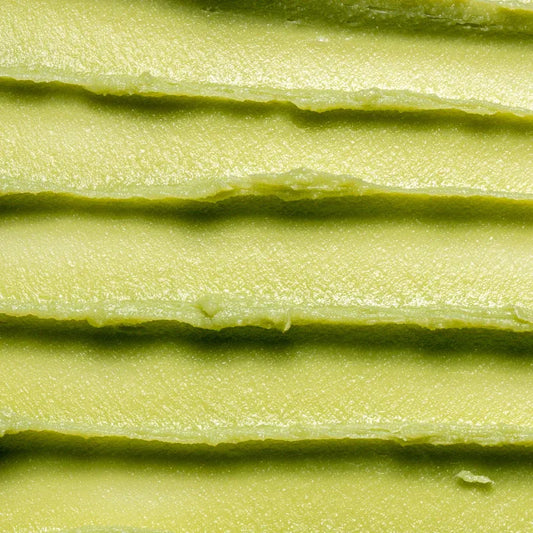
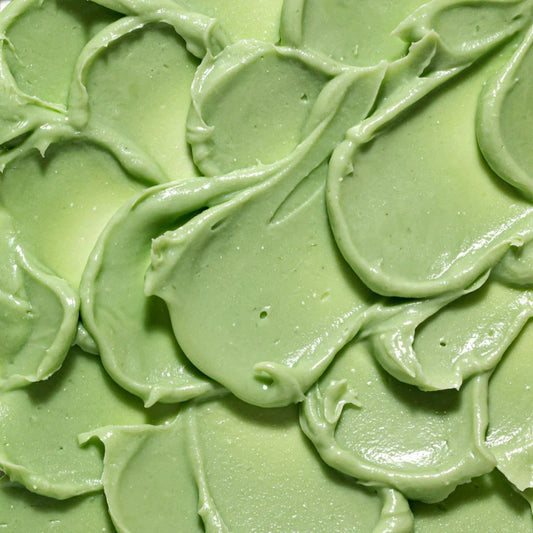
Its creamy texture melts upon contact with the warmth of your skin, leaving behind a nourishing protective layer that helps lock in moisture.
For centuries, communities across West Africa have used shea butter to protect the skin from harsh weather, dryness and environmental stress.
Where Does Shea Butter Come From?
Shea butter comes from the nuts of the shea tree, which grows naturally across several countries in West Africa.
The traditional process involves:
- Harvesting ripe shea nuts
- Drying and roasting them
- Grinding them into a paste
- Separating the natural oils
- Churning the oils into butter
Many traditional methods have remained largely unchanged for generations, producing rich, nourishing butter that retains many of its naturally occurring beneficial compounds.
What Makes 100 Natural Shea Butter Different?
Not all shea butter products are created equal.
Many creams advertise shea butter on the label, but it may only make up a small percentage of the formulation.
When choosing 100 natural shea butter products like LIHA Beauty Shea Butter (Gold), you're getting:
- Pure botanical butter
- No unnecessary dilution
- Richer texture
- Higher concentration of naturally occurring fatty acids
This makes it particularly suitable for people with very dry skin.
Why Is 100 Natural Shea Butter So Popular?
There are several reasons why shea butter remains one of the world's favourite natural skincare ingredients.
It is valued because it:
- Deeply moisturises the skin
- Helps soften rough areas
- Supports the skin barrier
- Leaves skin feeling comfortable
- Is suitable for many different skin types
Its versatility means it can be used from head to toe.
Understanding the Skin Barrier
One of the main reasons people choose 100 natural shea butter is its ability to support the skin barrier.
The skin barrier is responsible for:
- Preventing moisture loss
- Protecting against environmental irritants
- Maintaining skin comfort
- Keeping skin resilient
When this barrier becomes weakened, skin often feels:
- Dry
- Tight
- Rough
- Sensitive
Supporting the barrier is one of the most effective long-term approaches to healthy skin.
The Natural Fatty Acids Found in Shea Butter
Shea butter naturally contains several fatty acids that contribute to its rich texture.
These include:
- Oleic acid
- Stearic acid
- Linoleic acid
- Palmitic acid
Together, these help create the buttery consistency that makes shea butter such an effective moisturiser.
Who Can Benefit from 100 Natural Shea Butter?
One of the biggest strengths of shea butter is its versatility.
It is commonly used by people with:
- Dry skin
- Sensitive skin
- Mature skin
- Rough elbows
- Dry hands
- Cracked heels
- Areas prone to seasonal dryness
Many people also enjoy using it as part of their everyday skincare routine simply because it leaves skin feeling soft and nourished.
Can 100 Natural Shea Butter Be Used on the Face?
Yes, many people use shea butter on the face, particularly if they have dry or dehydrated skin.
However, because it is naturally rich, those with oily or blemish-prone skin may prefer to apply smaller amounts or use it only on particularly dry areas.
As with any skincare product, introducing it gradually allows you to see how your skin responds.
Using Shea Butter on the Body
The body is one of the most popular places to use 100 natural shea butter.
It works particularly well on:
- Knees
- Elbows
- Hands
- Feet
- Legs
- Arms
Applying it after bathing helps seal moisture into the skin while it is still slightly damp.
100 Natural Shea Butter for Dry Hands
Hands are constantly exposed to washing, cleaning products and changing weather conditions.
Shea butter helps by:
- Softening rough skin
- Providing lasting moisture
- Helping reduce feelings of tightness
Many people keep a small amount nearby throughout the day for regular application.
Can Shea Butter Help During Winter?
Winter often causes skin to become drier due to:
- Cold outdoor air
- Indoor heating
- Lower humidity
Because of its rich consistency, 100 natural shea butter is particularly popular during colder months when skin needs additional protection.
How to Use 100 Natural Shea Butter
Using shea butter is simple.
For best results:
- Cleanse the skin gently.
- Pat the skin until slightly damp.
- Warm a small amount between your hands.
- Massage gently into the skin.
A little often goes a surprisingly long way.
Should You Use Shea Butter Every Day?
Many people choose to use shea butter daily.
Regular application helps maintain skin hydration and keeps rough areas feeling soft.
For very dry skin, applying morning and evening may be beneficial.
100 Natural Shea Butter vs Moisturising Creams
Both have their place in a skincare routine.
Moisturising creams typically:
- Absorb more quickly
- Feel lighter
- Are easier for daytime use
100 natural shea butter:
- Is richer
- Provides longer-lasting protection
- Works particularly well overnight
Many people use creams during the day and shea butter at night.
How Much Shea Butter Should You Apply?
More isn't always better.
Start with a small amount and build gradually if needed.
Because pure shea butter is highly concentrated, only a little is required to cover larger areas of skin.
Can Shea Butter Be Used Throughout the Year?
Absolutely.
Although it is especially popular during winter, many people use shea butter throughout every season to maintain healthy skin.
During summer, slightly smaller amounts may feel more comfortable.
Choosing High-Quality Shea Butter
When buying shea butter, look for products that:
- Clearly state they contain 100% shea butter
- Avoid unnecessary fillers
- Come from reputable brands
- Are minimally processed
Quality matters, particularly if you're using shea butter regularly.
A Premium Option: LIHA Beauty Shea Butter (Gold)
For those looking for a luxurious take on 100 natural shea butter, LIHA Beauty Shea Butter (Gold) is an excellent choice.
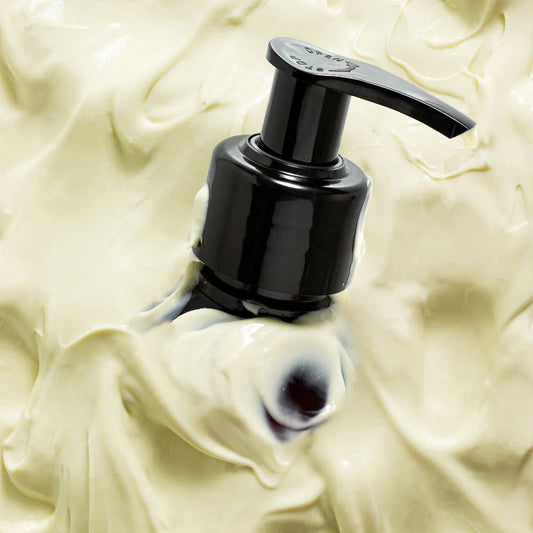
Inspired by traditional West African skincare rituals, this rich, multi-purpose butter is made with 100% natural shea butter and infused with natural fragrance from tuberose for a beautifully indulgent skincare experience. It melts effortlessly into the skin, delivering long-lasting nourishment while helping to leave dry skin feeling soft, smooth and comfortable.
LIHA Beauty Shea Butter (Gold) is suitable for:
- Dry and dehydrated skin
- Rough elbows and knees
- Hands and feet
- Dry patches that need intensive nourishment
- Daily all-over body moisturising
Because it is made with pure shea butter, only a small amount is needed. Warm the butter between your palms before applying, allowing it to melt naturally into the skin. Many people enjoy using it after a bath or shower to help lock in moisture, or as an overnight treatment on particularly dry areas.
If you're looking for a premium 100 natural shea butter that combines traditional African beauty practices with luxurious everyday skincare, LIHA Beauty Shea Butter (Gold) is well worth exploring.
Buy LIHA Beauty Shea Butter (Gold) here:
https://soho-brands.co.uk/products/liha-beauty-shea-butter-gold
Common Mistakes When Using Shea Butter
To get the most from 100 natural shea butter, try to avoid:
- Applying too much at once
- Using it on completely dry skin without any moisture underneath
- Expecting instant overnight changes
- Storing it somewhere very hot
Consistency is usually more important than quantity.
Lifestyle Habits That Support Healthy Skin
Even the best moisturiser works best alongside healthy everyday habits.
These include:
- Drinking enough water
- Avoiding excessively hot showers
- Using gentle cleansers
- Wearing sunscreen
- Eating a balanced diet
- Getting enough sleep
Healthy skin is influenced by both skincare and lifestyle.
Frequently Asked Questions About 100 Natural Shea Butter
Is 100 natural shea butter suitable for sensitive skin?
Many people with sensitive skin enjoy using shea butter because of its simple composition. However, it's always sensible to patch test any new skincare product first.
Can I use shea butter every day?
Yes. Daily use is common and can help maintain skin hydration.
Does shea butter clog pores?
Everyone's skin is different. Those with very oily or blemish-prone skin may prefer to use smaller amounts or reserve it for particularly dry areas.
Can shea butter replace my moisturiser?
Some people use pure shea butter on its own, while others prefer to combine it with lighter moisturisers depending on the season and their skin type.
Final Thoughts: Is 100 Natural Shea Butter Worth It?
If you're looking for a deeply nourishing skincare ingredient with a long history of traditional use, 100 natural shea butter remains one of the best natural options available.
Its rich texture, naturally occurring fatty acids and ability to support the skin barrier make it a favourite among people with dry, sensitive and dehydrated skin. Whether you're looking to soften rough elbows, care for dry hands, nourish winter skin or simply simplify your skincare routine, pure shea butter offers a versatile solution that has been trusted for generations.
Products such as LIHA Beauty Gold Shea Butter build on this heritage, offering high-quality shea butter inspired by traditional West African beauty practices while fitting seamlessly into a modern skincare routine.
Ultimately, healthy skin isn't about using dozens of products. It's about consistency, choosing quality ingredients and supporting your skin's natural barrier every day. If those are your priorities, 100 natural shea butter is well worth considering as part of your daily skincare routine.