
How to Reduce Red Skin on Face: A Gentle, Skin-Barrier First Approach
Share
Redness on the face is one of the most common — and frustrating — skin concerns. For some people it appears as a persistent flush across the cheeks or nose; for others it shows up in patches, flare-ups, or sensitivity after cleansing, weather changes, or stress. Understanding how to reduce red skin on face begins with recognising that redness is often a sign of irritation, inflammation, or a compromised skin barrier.
Rather than aggressively treating redness, the most effective approach is usually a gentle one. In this guide, we’ll explore what causes facial redness, why it can linger, and how to calm the skin using barrier-supporting skincare. We’ll also look at a selection of soothing creams and balms that are particularly well suited to red, sensitive, or reactive skin.
Why Does Facial Skin Become Red?
Red skin on the face can have many causes, and often more than one factor is involved.
Common triggers include:
- A weakened skin barrier
- Sensitivity to skincare ingredients
- Over-cleansing or over-exfoliation
- Environmental factors such as cold wind or heat
- Stress and hormonal fluctuations
- Underlying skin conditions such as rosacea or eczema
Redness is essentially the skin signalling distress. Blood vessels dilate in response to irritation or inflammation, resulting in visible flushing or redness.
Understanding the Skin Barrier and Redness
The skin barrier plays a central role in how to reduce red skin on face. This outermost layer of the skin acts as a protective shield, keeping moisture in and irritants out.
When the barrier is compromised:
- Moisture escapes more easily
- Skin becomes dry and tight
- Irritants penetrate more deeply
- Inflammation and redness increase
Supporting and repairing the skin barrier is therefore one of the most effective long-term strategies for calming red skin.
Is Red Skin the Same as Sensitive Skin?
Not always, but the two are closely linked.
Sensitive skin refers to how the skin reacts, while redness is often the visible result of that reaction. Many people with red facial skin also experience:
- Stinging or burning sensations
- Tightness after cleansing
- Flare-ups after using new products
This is why gentle, low-intervention skincare routines are often recommended for redness-prone skin.
Why Harsh Skincare Can Make Redness Worse
One of the most common mistakes people make when trying to reduce facial redness is using overly strong products. Ingredients designed to “treat” skin quickly — such as strong acids, alcohol-based toners, or harsh foaming cleansers — can strip the skin barrier and worsen redness over time.
Instead of calming the skin, this approach often leads to:
- Increased sensitivity
- Persistent flushing
- Cycles of irritation and recovery
A slower, more supportive routine is usually far more effective.
How to Reduce Red Skin on Face: The Gentle Approach
Reducing facial redness is less about eliminating redness overnight and more about creating an environment where the skin can recover.
Key principles include:
- Simplifying your skincare routine
- Avoiding unnecessary exfoliation
- Focusing on hydration and barrier repair
- Choosing products designed for sensitive skin
Balms and creams are often better tolerated than lightweight gels or lotions, as they provide longer-lasting protection and comfort.
The Role of Moisturisers and Balms in Redness Care
Moisturisers and balms help reduce red skin on face by:
- Reinforcing the skin barrier
- Locking in hydration
- Protecting against environmental stressors
- Reducing transepidermal water loss
For redness-prone skin, richer textures are often beneficial — especially during colder months or flare-ups.
Soothing Products for Red, Reactive Skin
The following products have been selected for their barrier-supporting, calming formulations. They are not designed to aggressively treat redness, but to help the skin settle and strengthen over time.
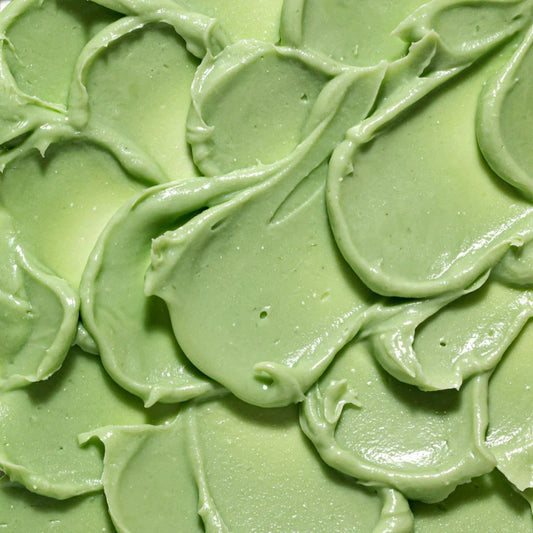
Thunderbird Skin Rescue Balm
This balm is formulated to provide immediate comfort to distressed skin.
Why it works well for red facial skin:
- Balm texture creates a protective layer
- Helps soothe irritation and dryness
- Suitable for targeted use on red patches
It is particularly useful during flare-ups or periods when the skin feels reactive and uncomfortable.
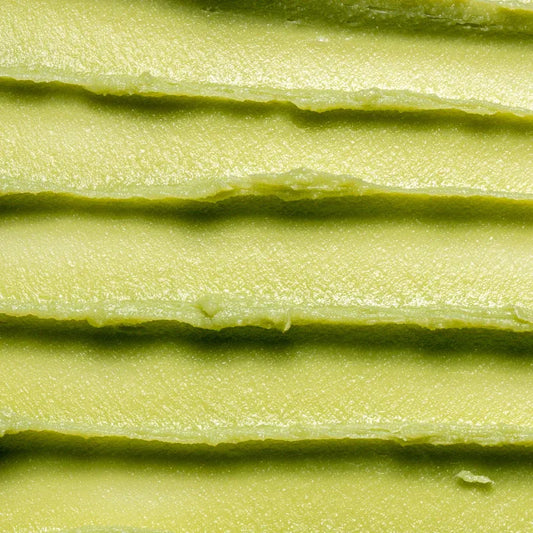
Thunderbird Wild Crafted Repair Balm
Thunderbird Wild Crafted Repair Balm
This richer balm focuses on long-term skin repair rather than short-term masking.
Key benefits for redness-prone skin:
- Supports barrier recovery
- Helps calm inflamed, compromised skin
- Ideal for overnight use
It works well for people whose facial redness is linked to dryness, sensitivity, or environmental damage.
Balmonds Skin Salvation
A well-known option for sensitive and eczema-prone skin, this balm is designed to deeply nourish and protect.
Why it’s popular for facial redness:
- Occlusive balm helps seal in moisture
- Supports extremely dry or compromised skin
- Suitable for use on the face in small amounts
Many people find it particularly helpful during cold weather or after skin barrier disruption.
Balmonds Daily Moisturising Cream
Balmonds Daily Moisturising Cream
For those who prefer a lighter texture than a balm, this cream offers daily hydration without heaviness.
Best suited for:
- Daily use on redness-prone skin
- Combination or sensitive skin types
- Layering under sunscreen
It helps maintain skin comfort throughout the day while supporting the barrier.
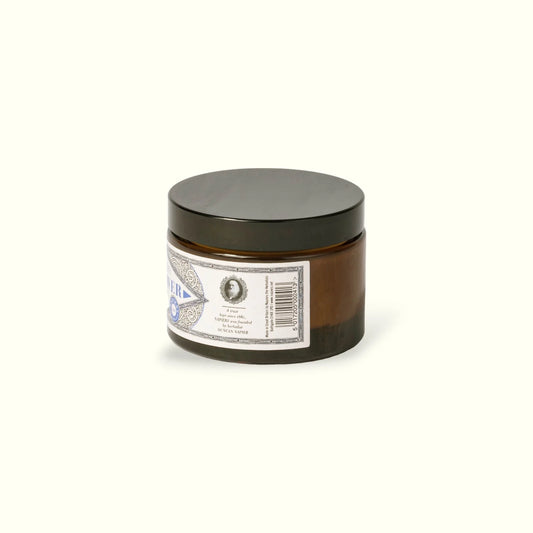
Napiers Starflower Dry Skin Cream
Napiers Starflower Dry Skin Cream
This cream is formulated with dry and delicate skin in mind.
Why it helps reduce redness:
- Nourishing cream texture
- Supports skin prone to dryness-related flushing
- Suitable for sensitive skin routines
It is a good option for those whose redness worsens when skin becomes dry or tight.
How to Apply Products to Red Skin Correctly
Application technique matters just as much as product choice.
Tips for applying skincare to red skin:
- Use gentle, upward motions
- Avoid rubbing or massaging aggressively
- Apply products to slightly damp skin when possible
- Use minimal amounts and build slowly
Pressing products into the skin rather than rubbing can help minimise irritation.
Morning vs Evening Care for Red Skin
Your routine may look slightly different depending on the time of day.
Morning
- Gentle cleanse or rinse
- Lightweight moisturiser or cream
- Sunscreen if tolerated
Evening
- Gentle cleanse
- Richer cream or balm
- Focus on repair and hydration
Night-time is when the skin naturally repairs itself, making it an ideal time to use richer products.
Environmental Factors That Can Worsen Facial Redness
Skincare alone is not always enough.
Common environmental triggers include:
- Cold, windy weather
- Central heating
- Hot showers
- Pollution
Using barrier creams and balms can help protect against these external stressors.
Lifestyle Factors That Influence Red Skin
While skincare plays a major role, lifestyle factors can also impact facial redness.
These may include:
- Stress levels
- Diet and hydration
- Sleep quality
- Alcohol consumption
Reducing triggers where possible can support long-term skin calmness.
How Long Does It Take to See Improvement?
When focusing on barrier repair, improvements are often gradual.
You may notice:
- Reduced tightness within days
- Less frequent flare-ups over weeks
- Improved skin comfort and resilience over months
- Consistency is key when learning how to reduce red skin on face effectively.
Common Mistakes to Avoid
When managing facial redness, avoid:
- Using too many products at once
- Frequently switching skincare
- Over-exfoliating
- Expecting instant results
A simple, steady routine is often the most successful.
When to Seek Professional Advice
If facial redness is:
- Persistent
- Painful
- Accompanied by bumps or swelling
It may be worth consulting a healthcare professional or dermatologist for further guidance.
Final Thoughts: How to Reduce Red Skin on Face Gently
Reducing facial redness is rarely about finding a single “miracle” product. Instead, it’s about understanding your skin, supporting its barrier, and choosing products that prioritise comfort and protection.
Balms and creams such as:
- Thunderbird Skin Rescue Balm
- Thunderbird Wild Crafted Repair Balm
- Balmonds Skin Salvation
- Balmonds Daily Moisturising Cream
- Napiers Starflower Dry Skin Cream
offer thoughtful, gentle options for calming red, reactive skin.
By simplifying your routine and focusing on barrier care, you give your skin the best possible chance to settle, strengthen, and feel comfortable again.
If you enjoyed this blog you may find this one about totally natural skincare helpful too!